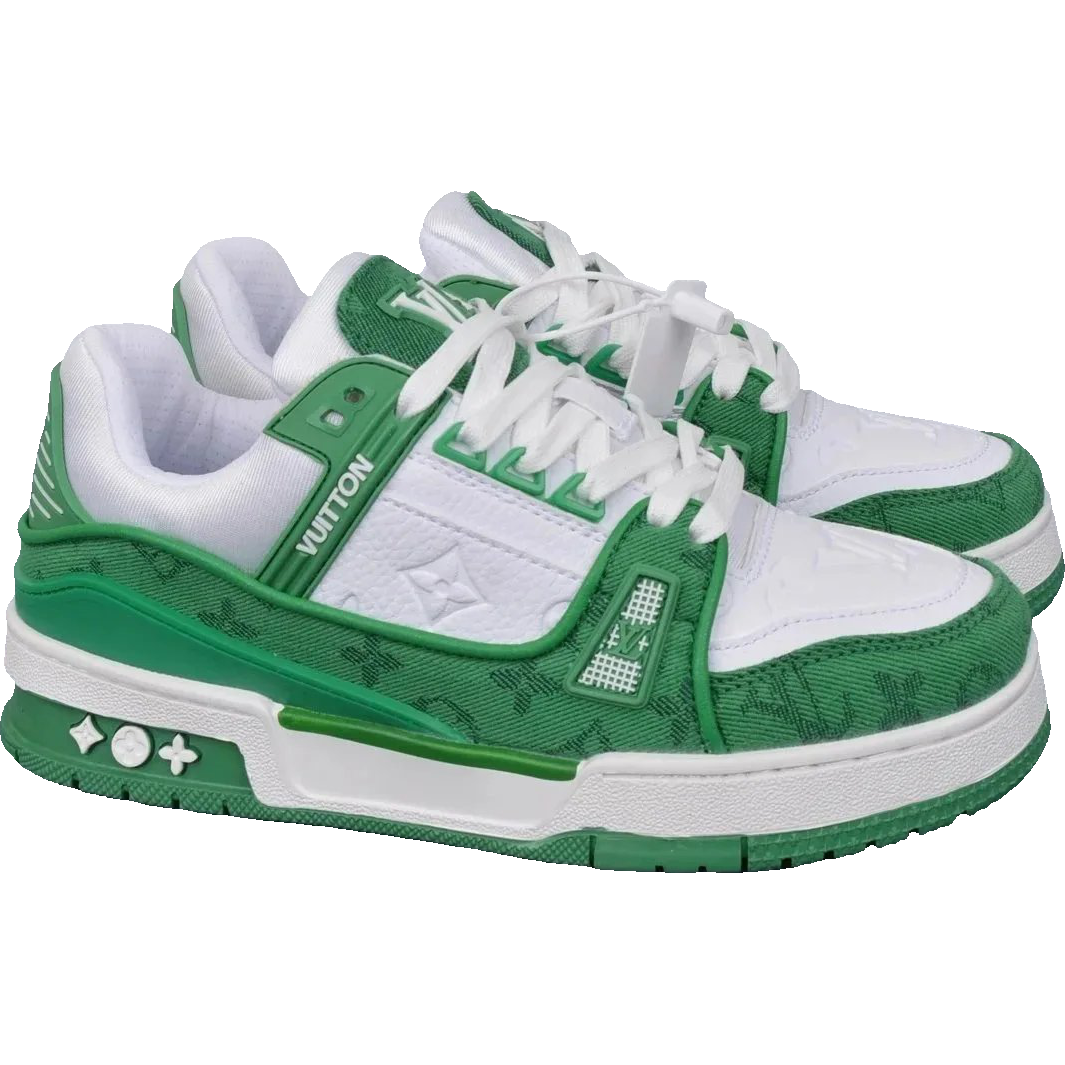
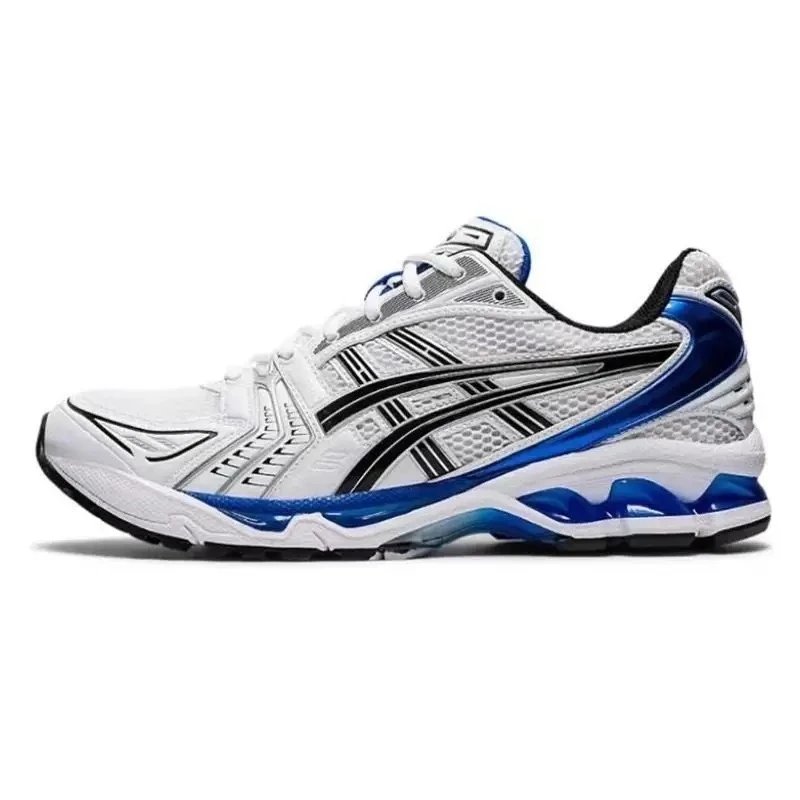
What is the best way to ensure proper replica sizing in 2025?
Home | Ensuring proper replica sizing involves meticulously measuring your body and comparing those figures to the seller's specific garment measurements, rather than relying on standard size labels. This approach minimizes fit discrepancies common with international sizing conventions.
The landscape of replica fashion often presents a unique challenge when it comes to fit. Unlike retail purchases where you might try on an item or rely on consistent brand sizing, replicas frequently originate from different manufacturing regions with varying interpretations of 'Small,' 'Medium,' or shoes" style="color: #0066cc; text-decoration: underline;">shoe sizes. To avoid disappointment and costly returns, a proactive and precise measurement strategy is essential for anyone using shopping agents like Kakobuy or Litbuy.
Why can replica sizing be so inconsistent?
Replica sizing inconsistencies stem primarily from the diverse manufacturing origins and the lack of a universal sizing standard across different regions. What is considered a 'Large' in an Asian market, for instance, often translates to a 'Small' or 'Medium' in Western sizing.
Furthermore, even when replicating a specific brand, factories might not perfectly replicate the original garment's dimensions, or they might use different base patterns. This means a replica of a US brand's 'Medium' shirt might not have the same chest width or sleeve length as the authentic item, or even another replica of the same item from a different factory. The key takeaway is to always treat each replica item as if it has its own unique sizing, regardless of the label.
How do I accurately measure my body for clothing?
To accurately measure your body for replica clothing, you will need a flexible tape measure. Wear form-fitting clothing or underwear to get the most precise readings. It's often helpful to have a friend assist for difficult-to-reach areas.
- Chest: Measure around the fullest part of your chest, under your armpits, keeping the tape horizontal.
- Shoulder Width: Measure straight across your back from the tip of one shoulder bone to the tip of the other. This is crucial for jackets and shirts.
- Sleeve Length: With your arm slightly bent, measure from the shoulder tip down to your wrist bone.
- Waist: Measure around your natural waistline, typically the narrowest part of your torso, above your navel.
- Hips: Measure around the fullest part of your hips and buttocks.
- Inseam: Measure from the crotch seam down to the ankle bone (or desired pant length).
Record these measurements in both centimeters and inches, as some sellers provide charts in one unit or the other. Keep these numbers handy, perhaps in a digital note or spreadsheet, for quick reference when browsing.
How should I measure my feet for replica shoes?
Measuring your feet for replica shoes requires a slightly different approach than clothing. Stand on a piece of paper, trace the outline of your foot, then measure the length from your longest toe to your heel and the width at the widest point.
- Place a sheet of paper on a hard, flat surface against a wall.
- Stand on the paper with your heel lightly touching the wall.
- Have a friend trace the outline of your foot with a pen held perpendicular to the paper.
- Measure the length from the longest toe to the heel.
- Measure the width across the widest part of your foot.
- Repeat for the other foot, as one foot is often slightly larger than the other. Use the larger measurement.
Compare these measurements to the internal sole length (insole length) provided in the seller's size chart. Do not rely solely on EU, US, or UK shoes" style="color: #0066cc; text-decoration: underline;">shoe sizes, as these conversions can be highly inaccurate in the replica market. Always add a small allowance (e.g., 0.5-1 cm) to your foot length for comfort.
What is a size chart and how do I use it effectively?
A size chart is a table provided by the seller that lists the actual garment dimensions for each available size (e.g., S, M, L). To use it effectively, you must compare your personal body measurements to the garment measurements listed, not just the size label.
For example, if a size chart for a jackets" style="color: #0066cc; text-decoration: underline;">jacket shows a 'Large' with a chest width of 56cm and a shoulder width of 48cm, you would compare these numbers directly to your own chest and shoulder measurements. It's often beneficial to measure a similar item of clothing you already own that fits you well. Lay that garment flat and measure its chest, shoulder, and length, then compare those numbers to the replica's size chart. This provides a practical reference point that accounts for your preferred fit style.
What if a seller's size chart is missing or unclear?
If a seller's size chart is missing or unclear, your best course of action is to directly contact your shopping agent (e.g., Kakobuy, Acbuy, Oopbuy) and request specific measurements for the item and size you are interested in. Most agents are accustomed to these requests and can obtain the necessary information from the seller.
Provide the agent with a clear list of the measurements you need (e.g., chest width, sleeve length, garment length for a shirt; insole length for shoes). Be patient, as this process can take a day or two. If the seller is unable or unwilling to provide detailed measurements, it might be a red flag, and you may consider looking for an alternative item or seller with better transparency. You can often find community-sourced sizing information on platforms that utilize shared spreadsheets, like the kakobuy-spreadsheet">Kakobuy Spreadsheet, which can offer insights when direct charts are unavailable.
Are there any general rules for sizing up or down in replicas?
While there are no universal rules, a common guideline for many replica clothing items, especially those from Asian manufacturers, is to size up one or two sizes from your usual Western size. However, this is a generalization and should never replace direct measurement comparisons.
For shoes, if you are between sizes or have wider feet, sizing up by half a size is often recommended. Always prioritize the insole length measurement over stated numerical sizes. For items labeled as 'oversized' or 'Korean fit,' carefully review the provided measurements, as these are designed to be roomier and may not require sizing up based on length or width, but rather on the intended aesthetic.
What is the final checklist before confirming a replica purchase?
Before finalizing your replica purchase, especially through a shopping agent, run through this essential checklist to minimize sizing errors:
- Body Measurements: Have your current body measurements (chest, shoulder, waist, etc.) readily available.
- Foot Measurements: Know your precise foot length and width for shoes" style="color: #0066cc; text-decoration: underline;">shoe purchases.
- Size Chart Review: Thoroughly compare your measurements to the seller's provided size chart for the specific item.
- Reference Garment: If possible, measure a similar, well-fitting garment you own and compare its dimensions to the replica's chart.
- Agent Communication: If unsure or if the chart is unclear, ask your shopping agent for clarification or additional measurements.
- Community Feedback: Check online forums or communities for user reviews or sizing advice on the specific item or seller.
- Return Policy: Understand the agent's and seller's return or exchange policy in case of a sizing error, although this can be complex with international shipping.
By following these steps, you significantly increase your chances of receiving a replica that fits perfectly, enhancing your overall shopping experience.